

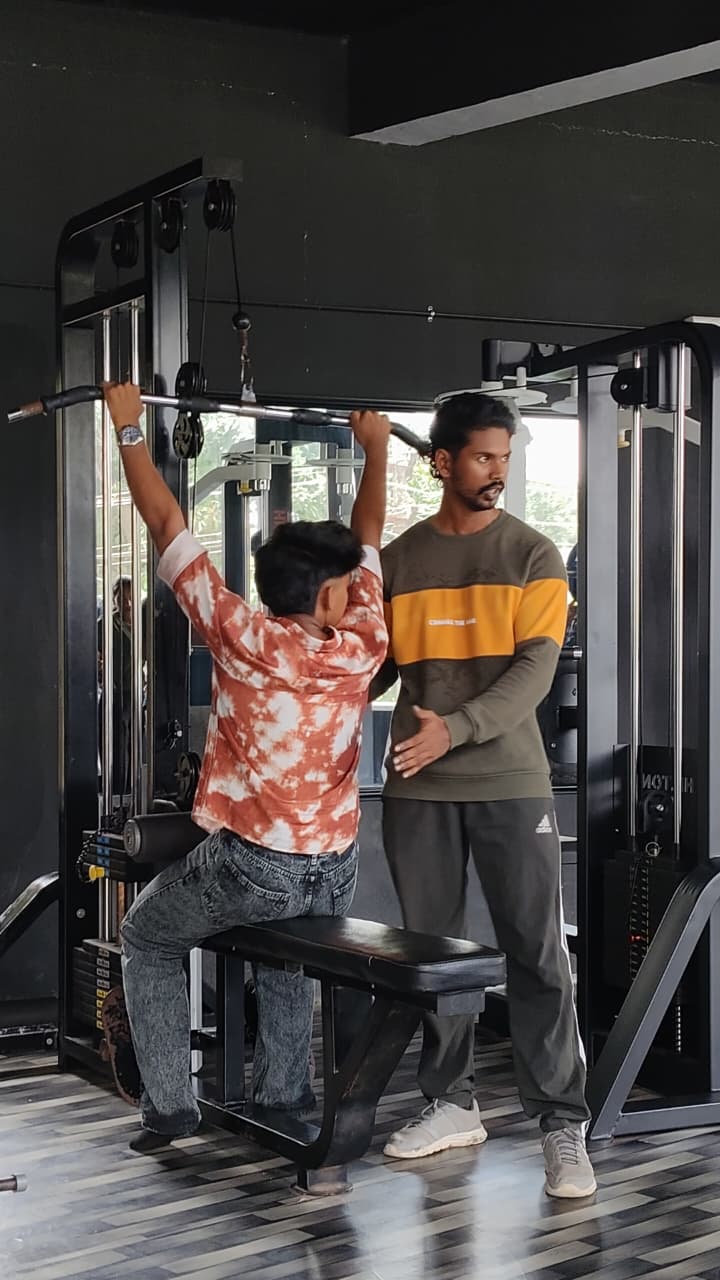

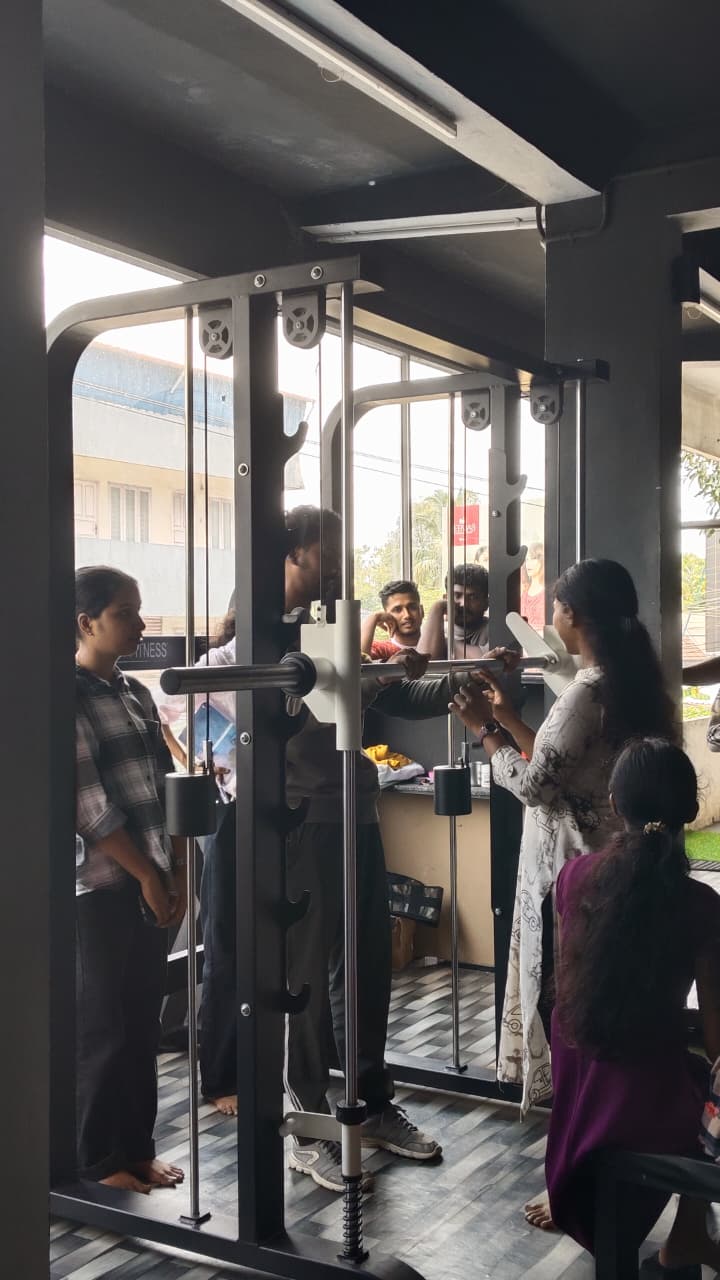
The Department of Biochemistry, in association with the Health and Wellness Club, organized an academic visit to B Fit Unisex Gym, Kuttamassery, in September as part of the Sports Biochemistry course. The visit aimed to provide students with first-hand exposure to gym operations, fitness practices, and the biochemical principles underlying physical training. It served as an opportunity to bridge theoretical knowledge with practical application in the field of exercise science and human physiology.
During the visit, students were introduced to the functioning of a modern fitness facility, including equipment usage, workout planning, and safety protocols. Trainers at the gym demonstrated various forms of exercise such as strength training, resistance training, and cardiovascular workouts, explaining their impact on muscle groups and overall fitness. The session also highlighted the biochemical basis of exercise, including energy metabolism, the role of ATP in muscle contraction, lactic acid production during anaerobic activity, and adaptations of the body to regular physical training.
Special emphasis was given to nutrition and recovery as essential components of fitness. Students learned about the importance of a balanced diet, including macronutrients such as carbohydrates, proteins, and fats, in supporting energy requirements and muscle growth. The role of micronutrients, hydration, and supplementation in enhancing performance and maintaining overall health was also discussed. In addition, the concept of recovery was explained in detail, covering muscle repair, rest periods, sleep, and techniques such as stretching and cooldown exercises to prevent injury and improve performance.
The visit also focused on the practical application of sports biochemistry concepts, enabling students to understand how biochemical processes influence endurance, strength, and physical performance. Discussions included the effects of exercise on metabolism, hormonal regulation, and muscle physiology. Students were encouraged to observe, ask questions, and relate their academic learning to real-life fitness practices.
The interactive nature of the session allowed students to engage actively with fitness trainers and professionals, clarifying their doubts regarding workout routines, dietary practices, and recovery strategies. This hands-on experience enhanced their understanding of the subject and motivated them to adopt healthier lifestyles.